We acknowledge all First Peoples of this land and celebrate their enduring connections to Country, knowledge and stories. We pay our respects to Elders and Ancestors who watch over us and guide Aboriginal and Torres Strait Islander community.
We acknowledge all First Peoples of this land and celebrate their enduring connections to Country, knowledge and stories. We pay our respects to Elders and Ancestors who watch over us and guide Aboriginal and Torres Strait Islander community.
.jpg)
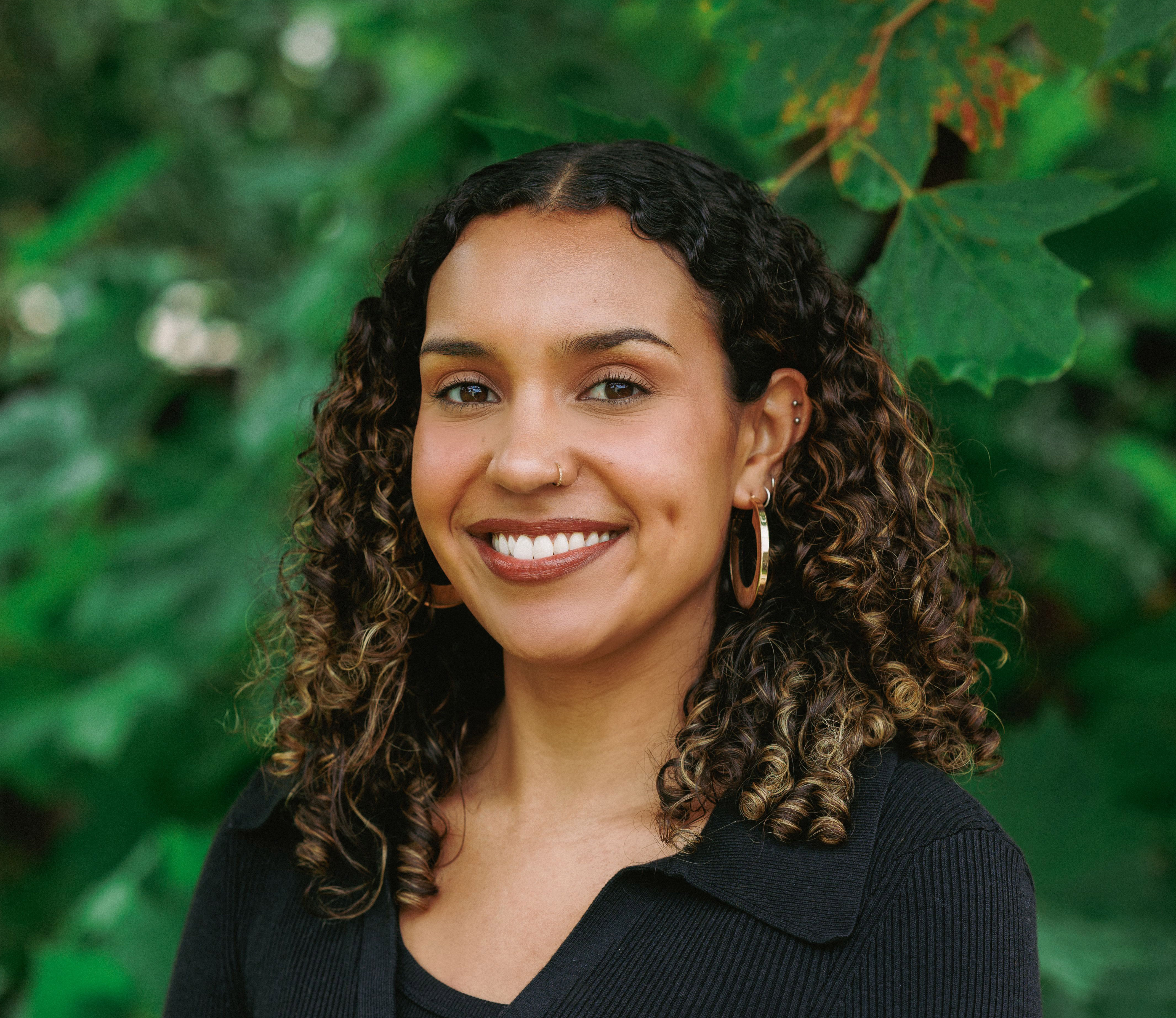
The uncharted territory of the Treaty era invites us to re-story a future rooted in courage, care, and collective responsibility. Yet as we move forward, one truth must remain at the centre: no one gets left behind. Jedda Atkinson-Costa shares her reflections.
I grew up in a home that never stayed quiet for long. Someone was always knocking – an aunty coming by for a cuppa, a cousin who needed a couch for the night, or someone who simply needed to yarn with Mum. Her door was open to anyone who needed it. She’d give her last dollar to make sure a kid had lunch, and her own clothes so others could walk into work with dignity. It wasn’t charity, it was community. Care was her language passed down from her own mother and grandmothers, and that love came with no conditions.
Looking back, I understand why so many found safety in her company. She made people feel seen. No one was left behind.
But the community I grew up in looks different now. A lot of those faces are gone. Too many have died young, from preventable diseases, from despair that went unnoticed, from a justice system that still shows no mercy to our people. These losses sit heavy.
When I speak to others from my community, they reflect the same grief and a quiet concern that the everyday acts of care we grew up with have become harder to sustain. Many of us are simply trying to survive amid rising costs of living, burnout, and ongoing colonial pressures. The casual drop-ins, the shared meals, the unspoken reciprocity, those traditions are fading under the strain of changing times.
This moment forces a difficult question: how do we care for one another when so many of us no longer have capacity to show up? And how do we maintain our collective strength when the systems around us continue to divide, distract, and exhaust our people?
These questions matter because we are standing at the edge of something historic. Last year, Victoria signed the nation’s first Treaty with First Peoples, a step that generations of elders fought for. It was a moment of hope and hard-earned pride, but also one marked by caution. For many, Treaty feels symbolic; for others, it represents real possibility. Both are true.
As a child, the word “Treaty” lived on protest placards and in powerful songs. It was a call for justice, a vision of sovereignty yet to come. Now, as it becomes reality, the meaning must expand beyond slogans and signatures. The question isn’t just what Treaty is, but how we live it.
That “how” should begin where all our strength has always come from – our values of care, responsibility, reciprocity and inclusivity. The way my mother offered community support without a second thought wasn’t just kindness; it was governance. It was self-determination practised around a kitchen table. Those stories must guide the work ahead.
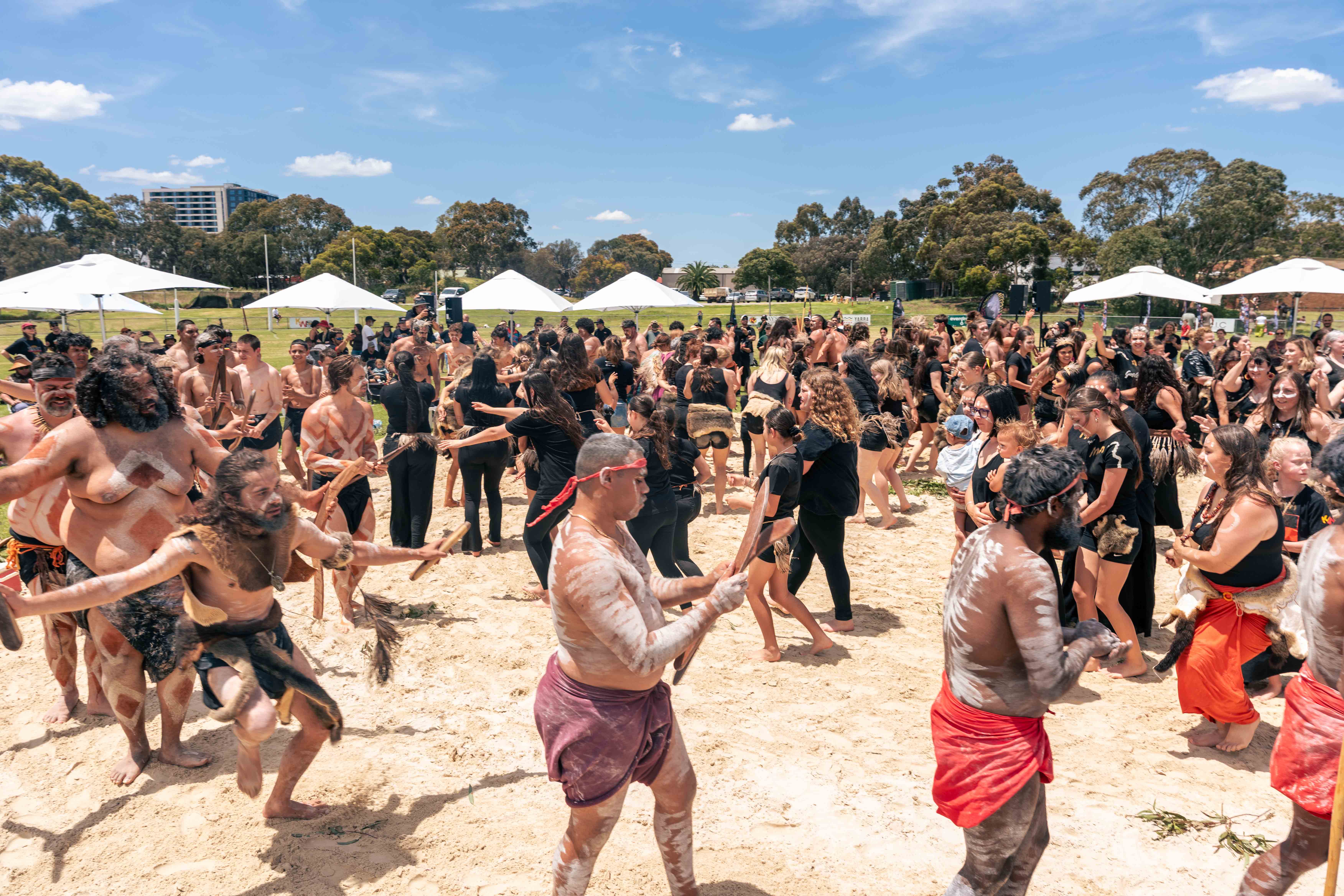
If Treaty is to deliver real change, it must be accessible. Every person in cities, regional towns, missions and remote communities should be able to understand, participate in, and help shape the process. It must prioritise truth-telling, justice, cultural safety, and intergenerational learning, not as symbolic gestures but as everyday practices that sustain identity. And it must invest in the spaces where hope is already being built – youth leadership, language revival, health, and caring for Country programs that are led by our people, for our people.
Treaty will not be perfect. It will evolve, and its promises will only hold weight if we commit to walking it together. But within its imperfection lies an opportunity to restore not only rights, but relationships. To transform agreement into accountability. To declare that the same care that once held our communities together will now shape the systems that govern our future.
The real test of Treaty won’t be found in legal documents or political milestones. It will be measured in how many of us still feel held by one another through the change ahead. The future we build must do what my mother always did, make space for everyone.
Because progress means nothing if our people are not carried with us.

We are a First Nations not-for-profit that exists to centre First Nations people, Country and truth-telling. We acknowledge all First Peoples of this land and celebrate their enduring connections to Country, knowledge and stories. We pay our respects to Elders and Ancestors who watch over us and guide Aboriginal and Torres Strait Islander community.