We acknowledge all First Peoples of this land and celebrate their enduring connections to Country, knowledge and stories. We pay our respects to Elders and Ancestors who watch over us and guide Aboriginal and Torres Strait Islander community.
We acknowledge all First Peoples of this land and celebrate their enduring connections to Country, knowledge and stories. We pay our respects to Elders and Ancestors who watch over us and guide Aboriginal and Torres Strait Islander community.
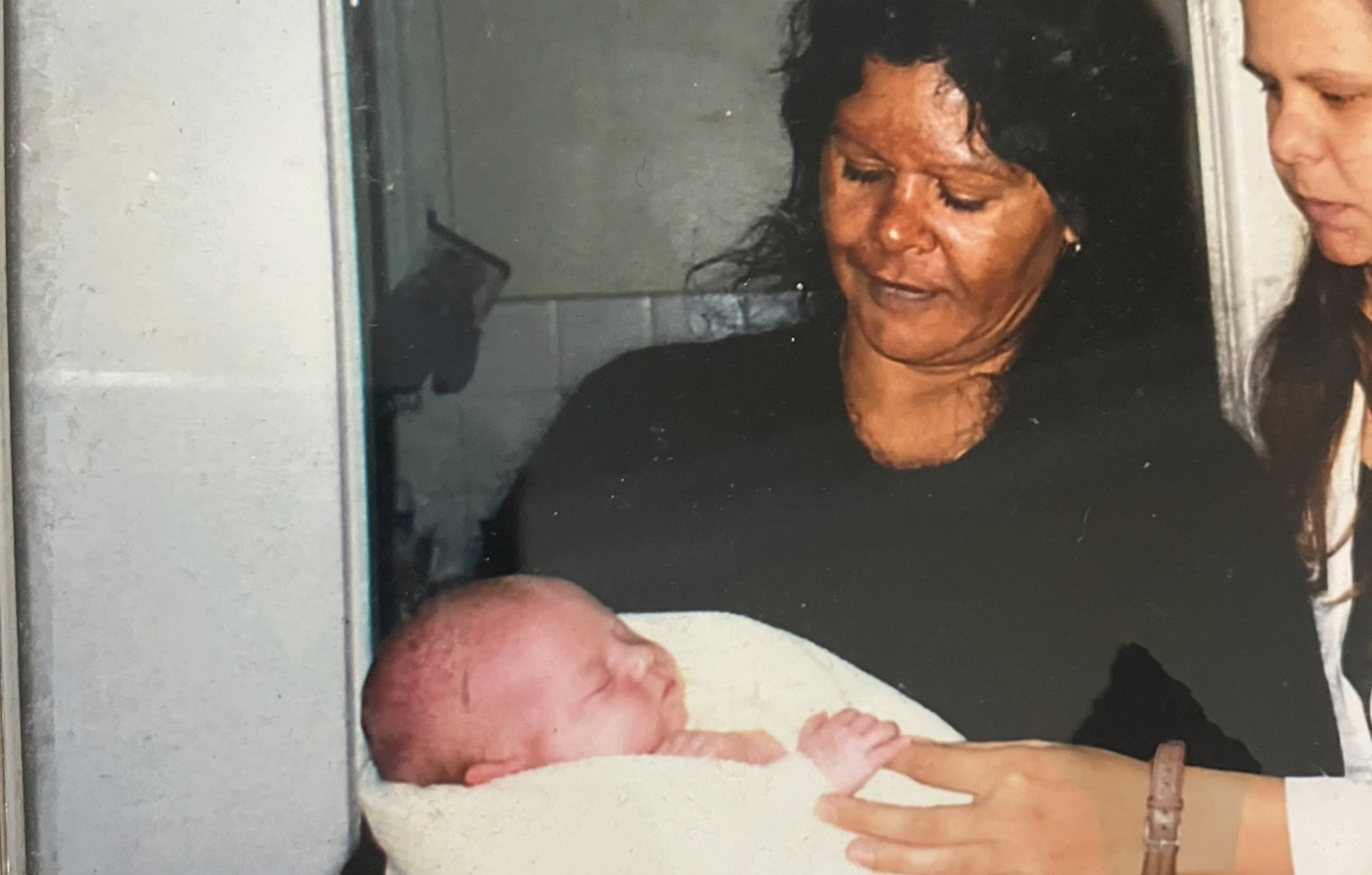
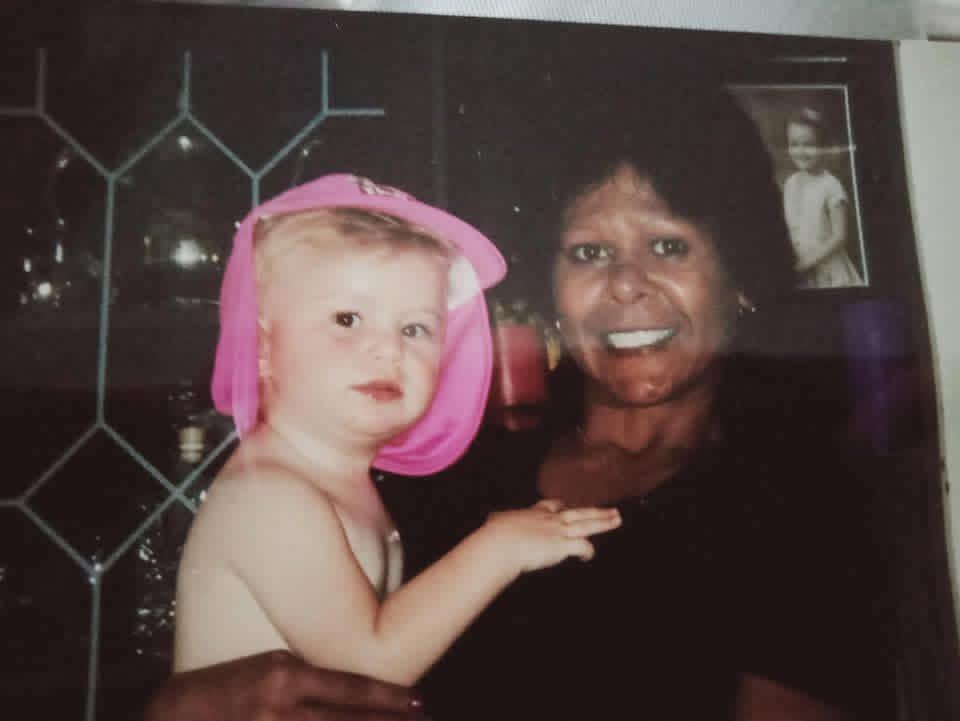
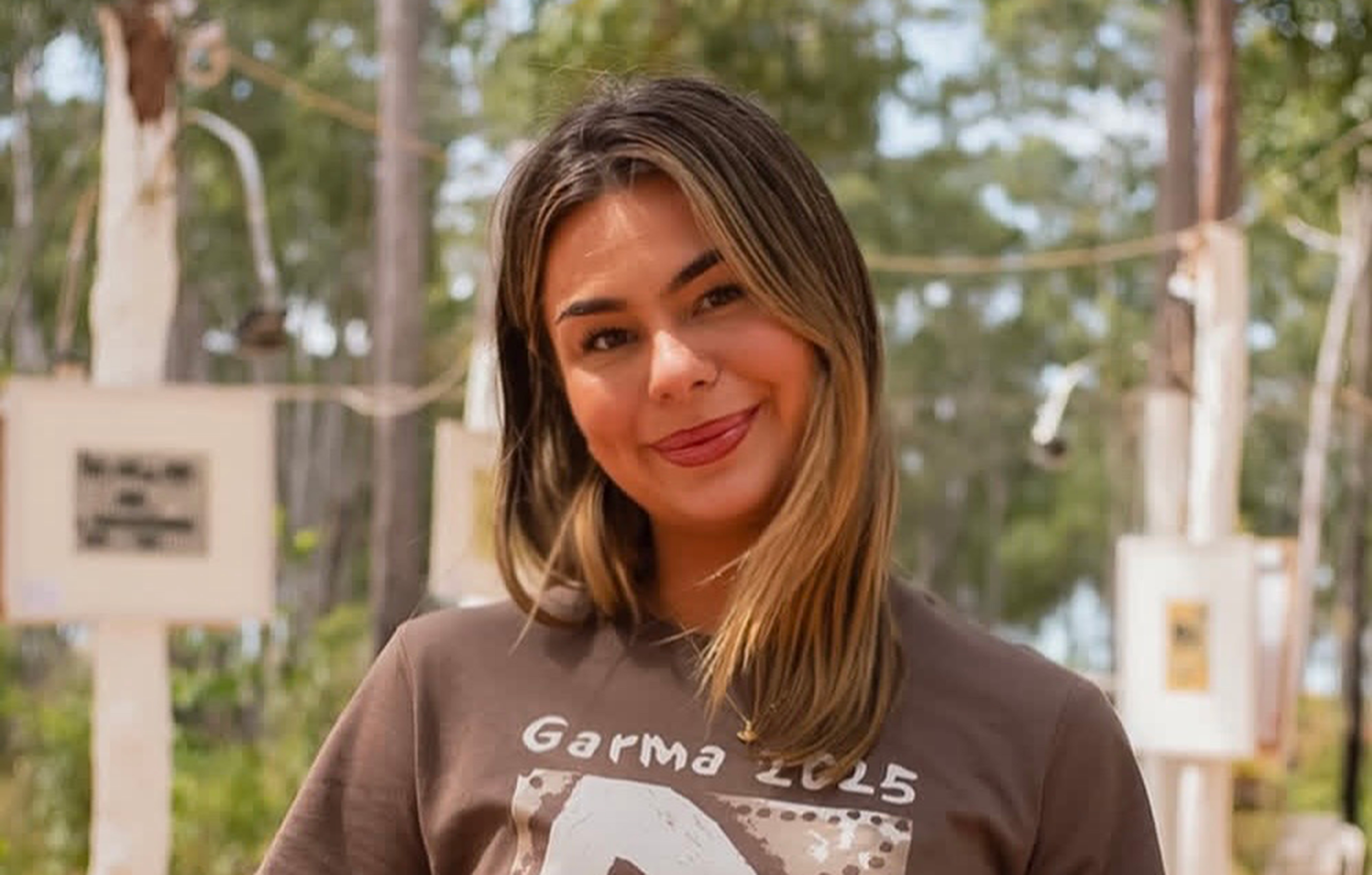
Every time Bundjalung and Mununjali woman Bronte Charles thinks about 50 years of NAIDOC, she thinks about her Nan – who never got to celebrate that milestone.
This article contains images and names of Aboriginal people who have passed.
As the country marks 50 years of NAIDOC Week, I'm thinking about someone who never got to celebrate that milestone.
This year, NAIDOC Week celebrates 50 years of honouring the history, culture and achievements of our people.
Fifty years of resilience. Fifty years of survival.
My Nan never got fifty.
I remember standing on my tippy toes, peeking through a window as a beeping machine kept her alive.
Until one day, it didn't.
My person wasn't here anymore.
She was born in Casino in 1960, into a country where being Aboriginal meant carrying the weight of history before you were even old enough to understand it.
She grew up in Beaudesert, where a railway line separated the Blak families from the white ones.
She carried more than any little girl ever should.
And sometimes, when I'm out for dinner with my friends, standing in a sweaty crowd at a gig, remembering the uni tutorials where I'd debate the weekly reading with some old white guy (my lecturer), or getting my nails done, I catch myself wishing she'd had the chance to do those things too.
She deserved those moments.
Yet, despite everything life asked of her, took from her, Mum still describes Nan in three words: strong, smart, resilient.
Education was taken from my Nan long before she was ready to leave it behind but she refused to let that be the end of her story.
At 13, she taught herself how to read and write. Later, she studied nursing through TAFE. She believed education was freedom, and she made sure her children had every opportunity that she didn't.
She had my Mum when she was just 16 years old.
Life had taught her how cruel the world could be. So she spent the rest of hers making sure her children experienced something different.
Her activism happened somewhere quieter.
It happened in school principals' offices when her children were called racist names.
It happened around the dinner table while she helped with the homework she'd once been denied herself.
It happened every time she sacrificed her own dreams so her children and, later, her grandchildren could chase theirs.
I learnt how to love in her home.
It was curried sausages simmering on the stove. It was music filling every room - from Sherbet and Smokey Robinson to Dolly Parton, Fleetwood Mac, Whitney Houston and Michael Jackson.
It was us mob sleeping shoulder to shoulder in the lounge room because there was always room for one more. It was card games that stretched late into the night and getting scared if you heard three knocks on the door.
It was stories about moogais, taking your shoes off after a funeral, never whistling at night, and knowing that if someone needed somewhere to stay, your door stayed open.

She crocheted blankets for her grandchildren so we'd be warm through winter.
She baked chocolate birthday cakes with cream in the middle.
These days, even the smallest sliver of dairy makes my tummy bubble, but I'll never say no to a slice. It reminds me of her.
She was, as the kids (me) would say today, an absolute diva.
She wore black eyeliner every day, $2 dark maroon nail polish on her nails, and never missed supporting the Rabbitohs, even through all the losing seasons.

She loved fishing and loved to read, like I do now.
She loved scary movies, which I definitely do not.
She walked everywhere because she never wanted to rely on anyone.
Mum always laughs when she talks about Nan's tiny chicken legs. They carried her everywhere. Looking back, I think they carried all of us too.
Mum cracked the shits when she found out Nan had bought me my first Happy Meal from Macca's.
I still love chicken nuggets. I think Nan would be quietly pleased she won that one.
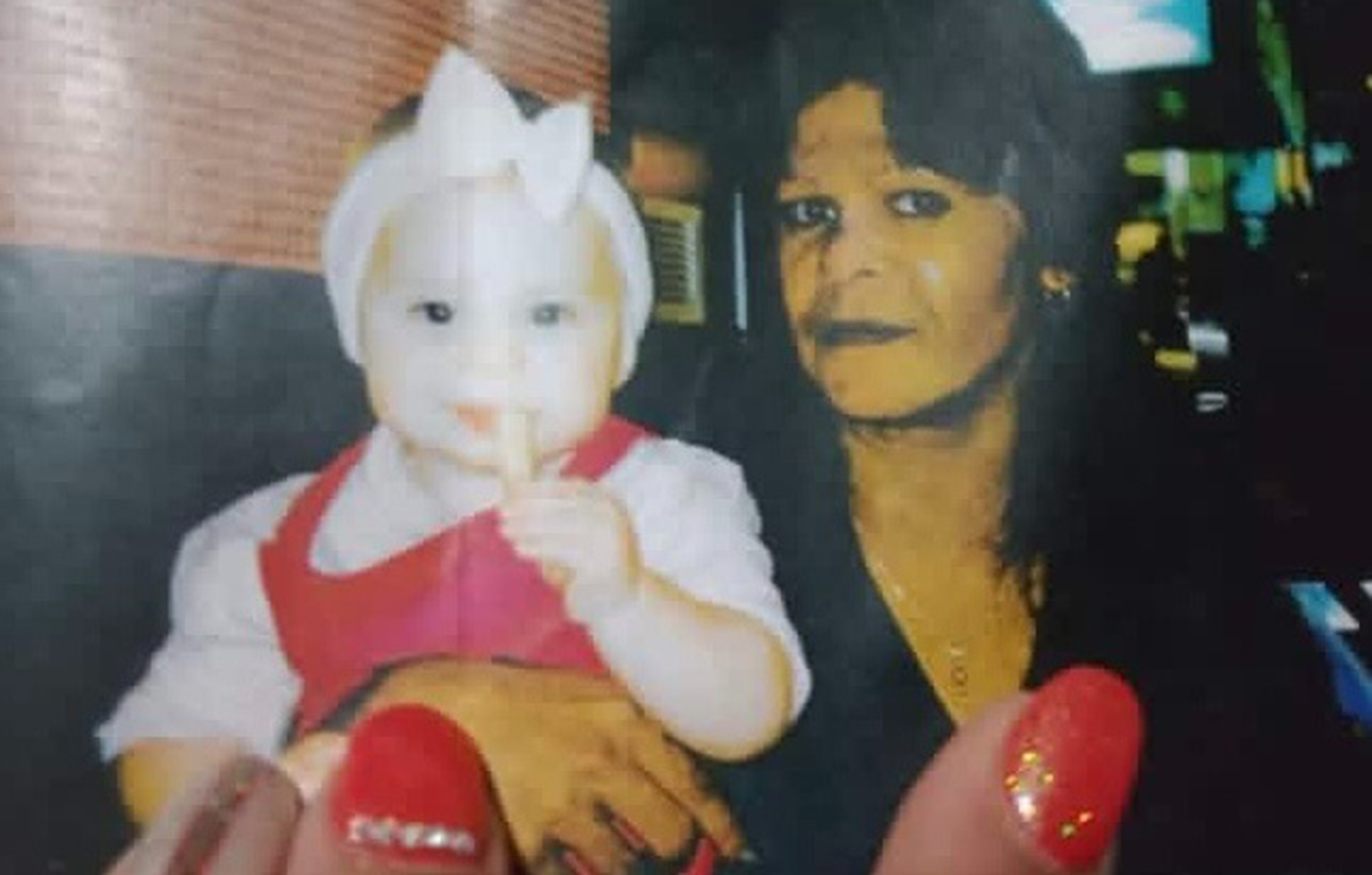
She lived for her children.
Then she lived for her grandchildren.
Looking back, mum believes the healthcare system failed her.
"No one takes you seriously when you're Aboriginal," Mum said.
"Especially if you're an Aboriginal woman."
The warning signs were there. Questions should have been asked sooner. Conditions that demanded investigation - including the lupus that would eventually take her life - weren't diagnosed until it was too late.
Just a few weeks ago Mum sat in an emergency department waiting room, waiting for hours while in pain.
I couldn't help but wonder how much had really changed since my Nan was the one waiting to be heard.
Stories like my Nan's are reflected in the statistics we hear every year. But statistics can feel distant.
They tell us how many years are lost.
They don't tell us what those years would have held.
More birthdays - and more chocolate cake with extra cream for me (although I'd definitely need a packet of Lacteeze handy).
More crocheted blankets.
More stories around the fire.
More fishing lines coming back empty.
More grandchildren growing up with their Nan.
This year, NAIDOC celebrates fifty years. My Nan never got those fifty years herself.
That’s exactly why her story matters.
Because the legacy she left isn't measured by how long she lived. It's measured by what she made possible.
Mum says she'd be proud that her children and grandchildren have opportunities that she never did.
I am proud that I get to tell glimpses of her story.
Proud that we've kept learning, just as she never stopped learning herself. Proud that, in so many ways, we're still carrying her with us.
And I still see her everywhere.
My cousin Damita has her eyes. Jeremy has her heart. My younger sissy Gracie always backs the underdog. Troy and Jacinta would beat ya in a fight. Like Nan, Hayley is our little one with biggest mob feelings. Koko always has another question to ask. Adam sees magic in the world that others can't.
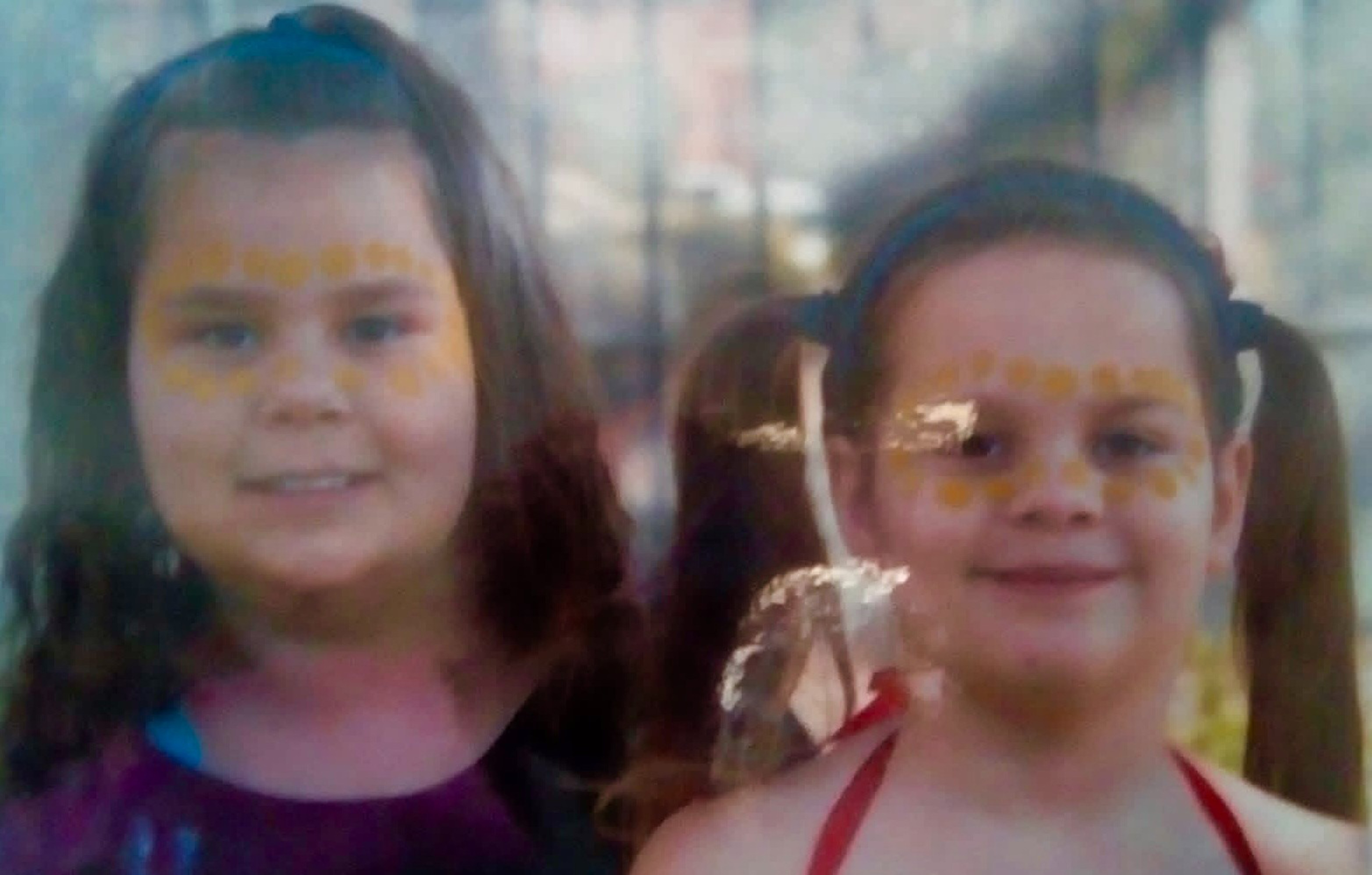
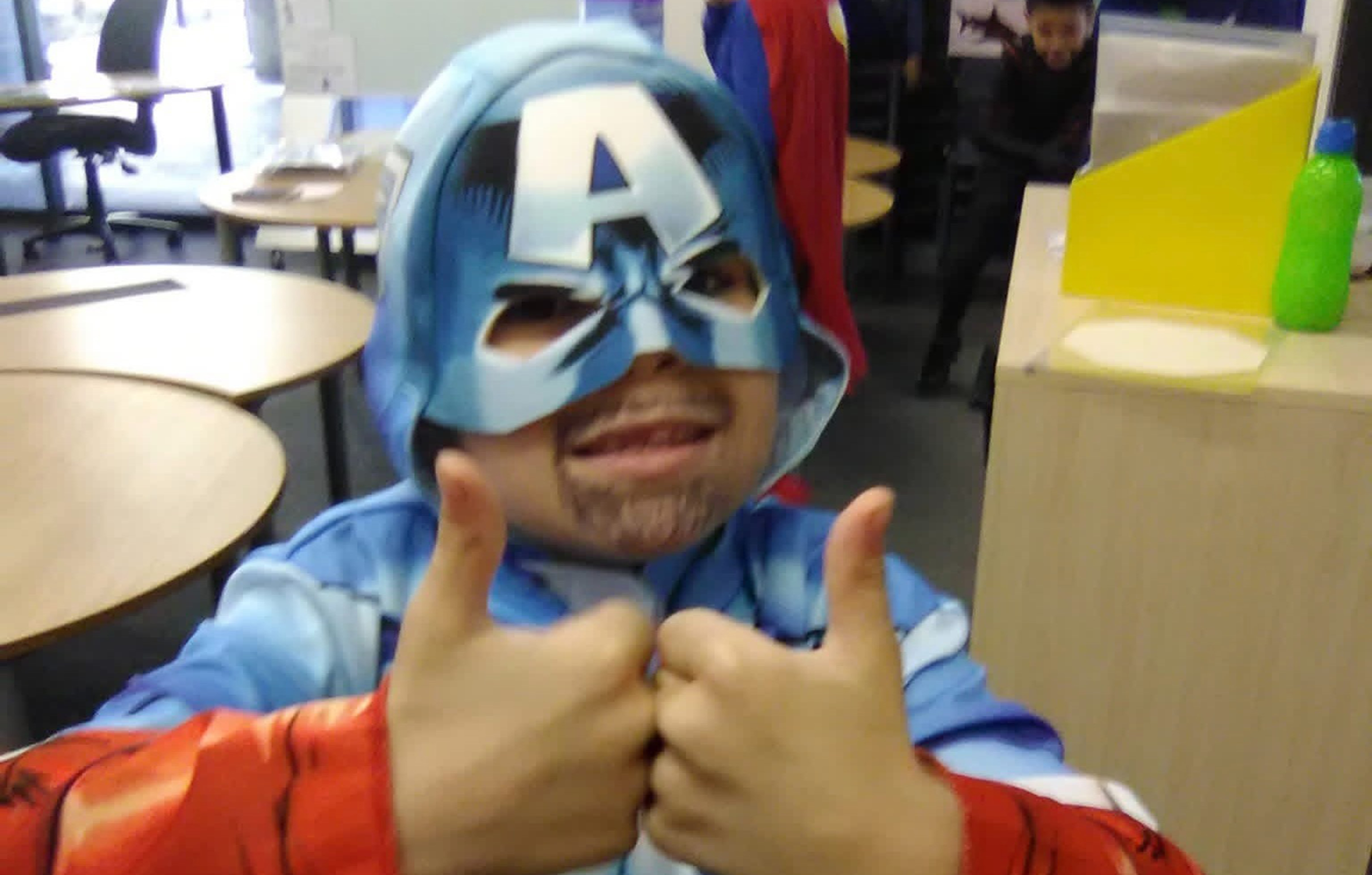
And I just love to spin a good yarn I reckon.
Nan always had one in her back pocket.
I like to think that's how she stays with us. Not just in our memories, but in the parts of herself she left behind in us kids.
I like to think that's how love survives. Not all at once, but in little pieces - passed down through generations until one life becomes many.
When I think about NAIDOC's 50th anniversary, I don't just think about the marches, speeches or milestones.
I think about my Nan.
My Bundjalung and Mununjali diva who wore black eyeliner just to go to the corner shop in Seven Hills to buy chocolate cake mix.
A woman who quietly carried generations on her shoulders.
A woman who should have had more time.
She never got her fifty years.
But because of her, the generations after her will.

We are a First Nations not-for-profit that exists to centre First Nations people, Country and truth-telling. We acknowledge all First Peoples of this land and celebrate their enduring connections to Country, knowledge and stories. We pay our respects to Elders and Ancestors who watch over us and guide Aboriginal and Torres Strait Islander community.




.jpg)